Finding the Most Reliable packaging boxes for Shipping Needs
Craft Your Own Custom Packaging Boxes: Stand Out With Distinctive Styles!
In today's dynamic market environment, custom packaging can greatly influence brand perception and customer loyalty. Distinctive styles and creative designs not only elevate product presentation but also create memorable experiences for consumers. By understanding the core elements of effective packaging, brands can efficiently express their identity. However, the journey to designing custom packaging involves several essential decisions that can impact the final outcome. What factors should be given priority to achieve the desired effect?
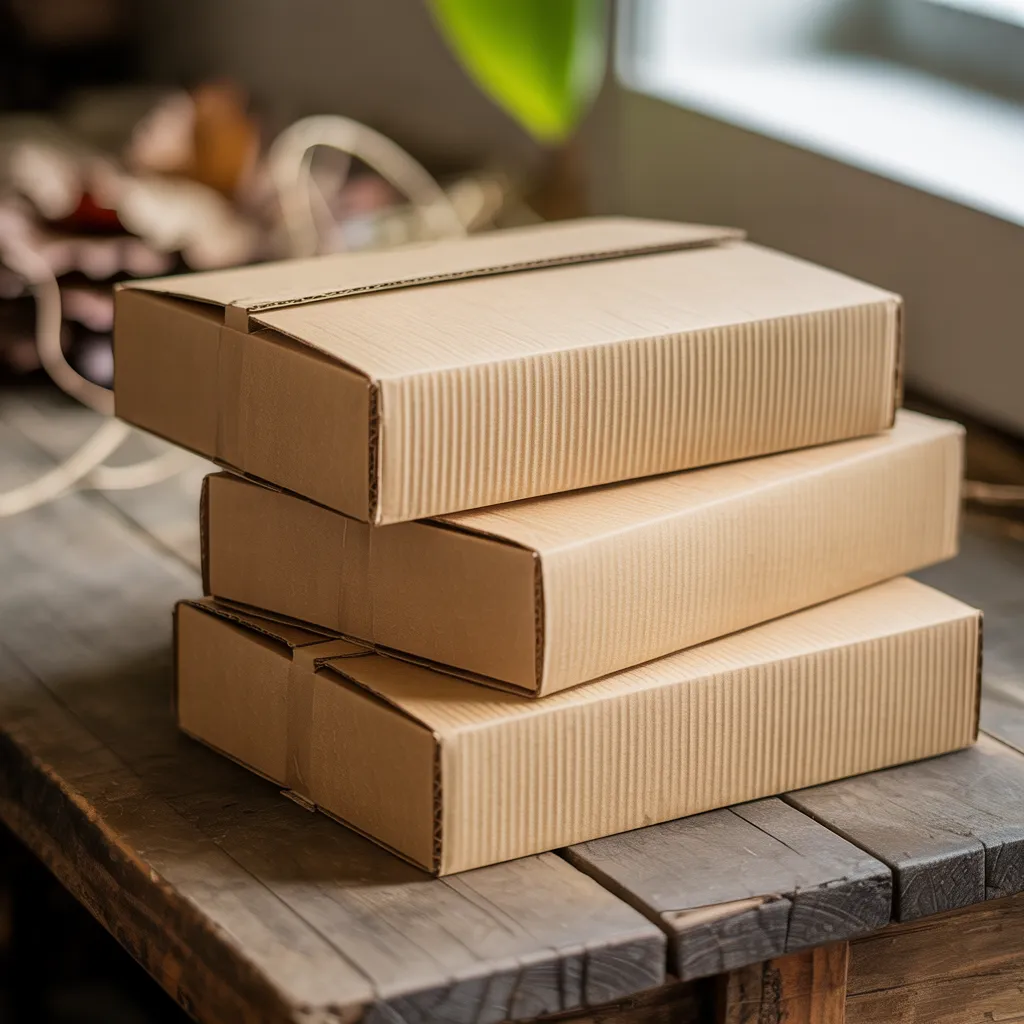
Why Custom Packaging Is Essential for Your Brand
Personalized packaging acts as an essential touchpoint between a brand and its customers. It creates an strong impression that encapsulates the brand's identity and values. This distinctive packaging not only safeguards items but also elevates the unboxing experience, building customer loyalty and satisfaction. Brands that invest in custom packaging often see enhanced recognition, as unique designs can differentiate them in a saturated marketplace.
Moreover, custom packaging allows for storytelling, empowering brands to express their message and ethos through well-considered design elements, colors, and materials. This connection to the brand narrative can lead to increased emotional engagement from consumers. Additionally, sustainable packaging options correspond to growing environmental concerns, connecting with eco-conscious customers. Finally, custom packaging is not just an afterthought; it is a strategic component that impacts perceptions, drives sales, and builds strong relationships between brands and their audiences.
Fundamental Elements of Successful Custom Packaging Design
Successful custom packaging design depends on two key elements: material selection and visual branding consistency. The choice of materials not only influences the durability and protection of the product but also influences customer perception. Additionally, maintaining visual branding consistency guarantees that the packaging corresponds to the overall brand identity, strengthening recognition and customer loyalty.
Material Choice Significance
Selecting the right materials for packaging is vital in reaching a successful design that meets both functional and aesthetic demands. The selection of materials directly affects durability, protection, and overall product presentation. Different materials, such as cardboard, paperboard, and plastic, provide various benefits, including weight, cost, and environmental considerations. For instance, eco-friendly choices may attract environmentally conscious consumers, while robust materials ensure product safety during transit. Additionally, the texture and finish of the material can improve the unboxing experience, making it more memorable. Ultimately, thoughtful material selection can boost a brand's image, improve customer satisfaction, and contribute to the product's success in a competitive market. Careful consideration of these factors is critical when designing custom packaging boxes.
Consistency in Visual Branding
While the aesthetics of packaging can significantly influence consumer perception, visual branding consistency remains vital in creating a cohesive brand identity. This consistency includes color schemes, typography, logos, and imagery that align with the overall brand message. When consumers experience packaging that reflects uniformity across products, it encourages recognition and loyalty. Effective custom packaging design should blend these visual elements seamlessly, ensuring that each box tells a story that resonates with the target audience. Additionally, maintaining consistency assists in distinguishing a brand from competitors, reinforcing its unique position in the market. Finally, visual branding consistency not only enhances the unboxing experience but also strengthens the emotional connection between the brand and its consumers, encouraging repeat purchases.
Selecting the Correct Materials for Custom Packaging
In selecting materials for custom packaging, considerations such as eco-friendliness and durability are vital. These elements not only shape the environmental impact but also make certain that products are properly protected during transit. By concentrating on the right materials, businesses can establish a balance between sustainability and functionality.
Environmentally Friendly Construction Material Alternatives
Sustainability has emerged as a vital consideration in the design of custom packaging, leading businesses to explore eco-friendly material alternatives. Several sustainable materials are now obtainable, permitting brands to minimize their environmental impact while still delivering attractive packaging solutions. Biodegradable materials, such as cornstarch and mushroom-based packaging, offer alternatives that break down naturally. Recycled paper and cardboard not only reduce waste but also express a commitment to sustainability. Moreover, companies are adopting plant-based inks and adhesives that are less harmful to the environment. By picking eco-friendly materials, businesses can improve their brand image, resonate with environmentally conscious consumers, and contribute to a more sustainable future. This strategic approach matches the growing demand for responsible consumerism in the modern market.
Durability And Protection Considerations
Picking the right materials for custom packaging is crucial for guaranteeing durability and protection, especially for products that may be susceptible to damage during transit. Sturdy materials such as corrugated cardboard and rigid boxes provide excellent structural integrity, minimizing the risk of crushing or bending. Furthermore, materials like foam inserts or bubble wrap can deliver cushioning, safeguarding fragile items against shocks and impacts. Weather-resistant options, such as plastic or coated paper, guard against moisture and environmental factors. When choosing materials, brands should also consider the weight-to-strength ratio, as lighter packages can reduce shipping costs without sacrificing protection. Ultimately, the right combination of materials improves not only product safety but also customer satisfaction, guaranteeing items arrive intact and undamaged.
Exploring Different Styles of Custom Packaging
Personalized packaging delivers a broad selection of styles, each designed to improve product presentation and customer experience. From sophisticated folding cartons to robust mailer boxes, businesses can pick designs that match their brand identity. Rigid boxes give a high-end touch, making them perfect for luxury products, while eco-friendly options, such as biodegradable packaging, resonate with eco-conscious consumers.
Additionally, one-of-a-kind shapes and structures, for example custom inserts or window cut-outs, can create a memorable unboxing experience. Companies may also examine customizable elements, such as handles or closures, to boost functionality. The choice of style can significantly influence how a product is perceived, shaping consumer attraction and retention. Eventually, exploring various styles of custom packaging empowers brands to express their message effectively while standing out in a competitive market. Each style serves a distinct purpose, confirming products not only look appealing but also satisfy the needs of their target audience.
The Role of Color in Shaping Brand Perception Through Packaging
Colors play an essential role in shaping brand perception through their emotional impact and cultural ties. Recognizing color psychology can help brands strategically communicate their values and resonate with their target audience. This examination will delve into how different colors shape consumer emotions and perceptions in packaging.
Emotional Impact Of Colors
The psychology of color plays an essential role in forming brand perception, especially in the field of packaging. Colors stimulate emotions and can greatly influence consumer behavior. For example, blue often communicates trust and reliability, making it a popular choice for brands aiming to establish credibility. On the other hand, red tends to create excitement and urgency, often employed in promotions to stimulate impulse purchases. Green is frequently associated with health and sustainability, attracting to environmentally conscious consumers. Additionally, yellow can create feelings of happiness and optimism, gaining attention effectively. By carefully selecting colors that align with their brand identity, companies can read the facts create packaging that resonates emotionally with their target audience, consequently enhancing brand loyalty and driving sales.
Cross-Cultural Color Meanings
Cultural perceptions of color greatly influence how packaging is welcomed across different markets. In some cultures, colors convey specific meanings that can strengthen or detract from a brand's message. For instance, red often symbolizes prosperity in China, making it a popular choice for packaging, while in Western cultures, it may evoke urgency or excitement. Similarly, white is associated with purity and simplicity in many Western nations, but in some Eastern cultures, it represents mourning. Understanding these associations empowers brands to tailor their packaging designs effectively. By aligning color choices with cultural expectations, businesses can foster positive brand perception and boost consumer connection, ultimately leading to greater market success.
Color Psychology: Key Insights
Color psychology serves a vital function in shaping brand perception, notably in packaging design. Colors trigger emotions and associations that can substantially shape consumer behavior. For example, blue often expresses trust and reliability, making it a favored choice for technology and healthcare brands. In contrast, red can evoke excitement and urgency, regularly utilized in food and beverage industries to stimulate appetite. Green is connected to health and sustainability, engaging eco-conscious consumers. In addition, yellow contributes a sense of optimism and energy, while purple often conveys luxury and sophistication. By thoughtfully identifying colors that correspond to brand values and target audiences, companies can strengthen their packaging effectiveness, eventually increasing sales and fostering brand loyalty.
How to Share Your Brand's Story Via Your Packaging
Though numerous businesses emphasize product quality and marketing strategies, packaging serves as a powerful medium for communicating a brand's identity and values. Strategic packaging conveys a narrative that resonates with consumers, creating emotional connections and enhancing brand loyalty. Elements such as color, material, and design can showcase a brand's mission, whether it champions sustainability, luxury, or innovation.
For example, green materials can demonstrate a dedication to environmental consciousness, while refined, minimalist designs may communicate sophistication. In addition, incorporating unique shapes or closures can enrich the unboxing experience, making it unforgettable and shareable.
Storytelling through packaging extends beyond aesthetics; it involves creating a consistent message that aligns with the brand's core values. By thoughtfully integrating their story into the packaging design, businesses can connect with customers on a more meaningful level, motivating them to choose their products over competitors. Eventually, packaging becomes an indispensable tool for expressing a brand's essence.
Typography's Role in Custom Packaging Design
Typography plays an essential role in custom packaging design, serving as a visual communicator that communicates brand identity and message. The choice of font, size, and style can considerably impact how consumers perceive a brand. For instance, bold, modern typefaces may create a sense of innovation, while elegant scripts can convey luxury and sophistication.
Additionally, typography aids in establishing a hierarchy of information, guiding the consumer's eye to key details such as product name, features, and instructions. Proper use of space and contrast can enhance legibility, ensuring that the text stands out against the packaging background.
Moreover, unified typography spanning various packaging elements fosters brand recognition and consistency. By integrating typography with other design elements, brands can craft a memorable visual experience that resonates with their target audience. Eventually, the thoughtful integration of typography in packaging design is critical for making a lasting impression and cultivating brand loyalty.
Guidelines for Designing Sustainable Custom Packaging
An increasing number of brands are recognizing the importance of eco-friendly custom packaging as a essential aspect of their sustainability initiatives. To develop eco-friendly packaging, brands should consider implementing biodegradable materials, such as recycled paper or plant-based plastics, which minimize environmental impact. Additionally, reducing packaging size not only cuts down on waste but also lowers shipping costs.
Businesses can investigate the application of soy-based inks, which are less harmful compared to conventional petroleum-based inks. Prioritizing design simplicity can also boost sustainability by minimizing material usage. Implementing reusable packaging options motivates customers to participate in sustainable practices.
Furthermore, brands should transparently showcase their eco-friendly initiatives on the packaging itself, enhancing consumer awareness and encouraging environmentally responsible behavior. By embracing these practices, brands not only promote a healthier planet but also resonate with a growing demographic of environmentally aware consumers.
Working With Packaging Designers along with Suppliers
Working with packaging designers and suppliers plays an essential part in creating effective custom packaging solutions. This alliance empowers businesses to harness the proficiency and creativity of professionals who comprehend current design trends and material innovations. Designers can convert a brand's vision into tangible packaging concepts that not only capture interest but also convey the brand's identity effectively.
Suppliers provide insights into material availability, production capabilities, and cost considerations, confirming that the designs are realistic and sustainable. By working closely with both designers and suppliers, companies can optimize their packaging to reach optimal functionality and aesthetics. Continuous interaction throughout the process promotes a collaborative environment that facilitates feedback and adjustments, leading to a final product that addresses the brand's needs. Finally, this synergy enhances the overall quality and uniqueness of custom packaging solutions, distinguishing brands in a competitive market.
Influence of Custom Packaging on Consumer Experience
Tailored packaging works as the initial touchpoint between a brand and its customers, substantially influencing their total experience. When a customer receives a product, the packaging can evoke reactions ranging from excitement to disappointment. Original designs and premium materials can make the unboxing experience remarkable, building brand loyalty. Additionally, custom packaging expresses a brand's identity, values, and commitment to quality, which can boost customer trust.
In addition, custom packaging can build a sense of connection, making customers to feel valued and appreciated. This can generate positive word-of-mouth and repeat business. Brands that concentrate on innovative packaging solutions often stand out in a competitive market, securing customer attention and boosting engagement.
Frequently Asked Questions
How Much Does Custom Packaging Design Cost?
The costs associated with custom packaging design include design services, materials, printing, prototypes, along with shipping. Supplementary expenses might result from minimum order quantities and specific customization features, affecting the overall budget for the project.
How Long Will Custom Packaging Production Take?
The manufacturing timeframe for custom packaging typically spans from 2-6 weeks, subject to factors such as design complexity, material selection, and manufacturer workload. Clear communication can streamline the process and secure efficient delivery.
Is It Possible to Order a Small Quantity of Custom Packaging?
Absolutely, it's feasible to order a small quantity of custom packaging. Many suppliers accommodate low minimum order quantities, giving businesses to produce unique packaging solutions without obligating themselves to large production runs.
What File Formats Are Required for Packaging Design Submissions?
When submitting packaging designs, acceptable file formats generally include PDF, AI, EPS, and high-resolution JPEG or PNG. These file types provide quality and compatibility throughout the printing process, allowing for accurate reproduction of the design.
Do Any Restrictions Exist for Custom Packaging Shapes or Sizes?
Bespoke packaging forms and sizes commonly face limitations originating from manufacturing capabilities, material limitations, and shipping regulations. Designers should consult with packaging providers to guarantee compliance with industry standards and feasibility for production.